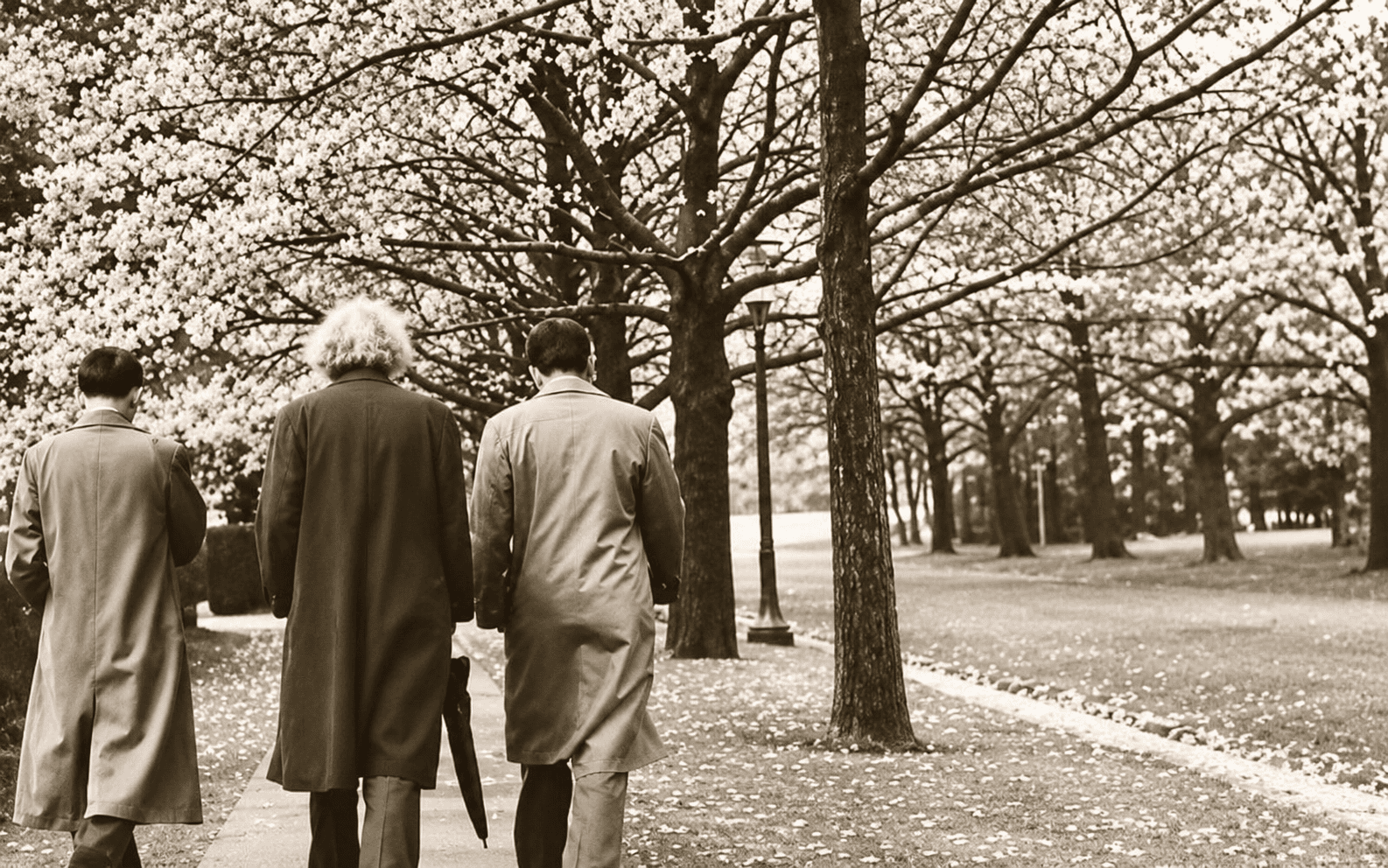
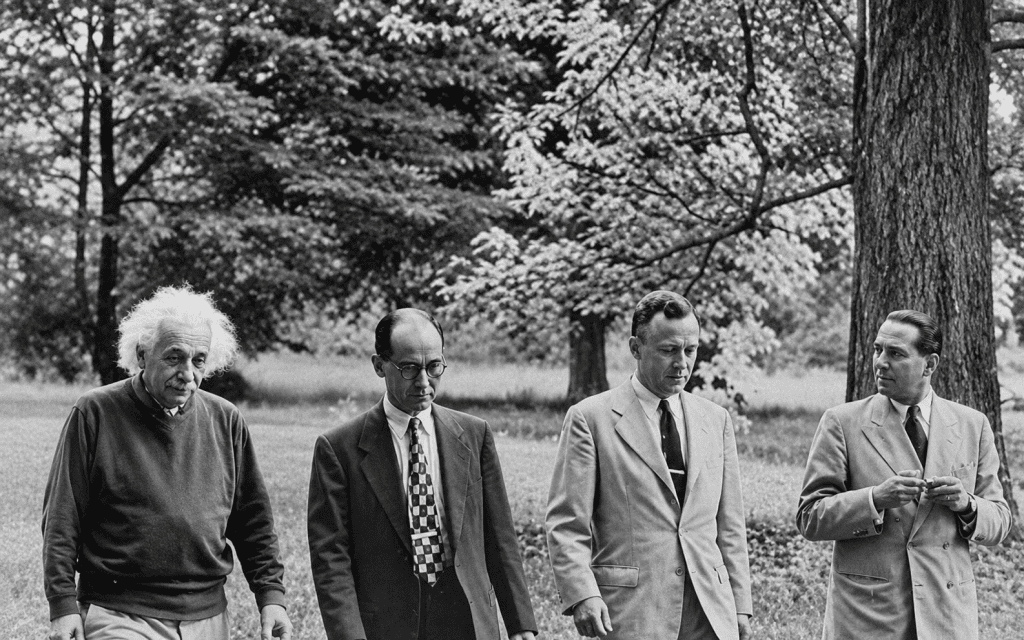
It is often said that a researcher should have a mind akin to a child’s, one that questions everything and is curious about new knowledge. Higher education, particularly Ph.D. and postdoctoral experience, is like a passport that opens frontiers, yet it is useless if the boundaries are not pushed, comfort is not sacrificed, and meaningful and relevant problems are not tackled. All of this makes mentoring a springboard in the development of scientific excellence, arguably something that must be carefully nurtured and properly valued. Not just pleasant words which are music to the ears, or the contrary. During the last century, there have been numerous occasions where both the mentor and mentee went on to win their individual Nobel prize, which highlights the role of mentorship.
Exemplary mentoring is an engine that drives us to move quickly, think differently, and create an impact that brings change and produces leaders rather than lieutenants, who can improve people’s wellness, push the limits of science, and may become better than their mentor. This ripple effect is essential to transform the current knowledge-based economy into the future “Economic Talent”. Traditional hierarchical barriers, selfish reluctance to share knowledge, closed-minded angles on disruptive proposals, and stonewalled flow of information ultimately undermine this goal. Poor mentoring also leads to the temptation to fall into bad practices and is unlikely to create a meaningful impact.
A mentor should be an icon in his own field, with military discipline, while being detailed and eager to lend a hand. He must be able to revolutionize unproductive and throughway attitude and enforce perfection and energy, showing the path to adapt quickly, think differently, and bring change. Educating the next generation to adopt discipline and ethics is
the most important outcome of a successful and long-lasting research career. Occasionally, it may seem demanding, but it is rarely destabilizing. The mentor, who embodies a blend of pragmatism, sharpness, intellect, and charisma, makes ambitions feel organic and brings clarity to thinking by untangling the complexities to unlock the discovery.
Freshly minted graduates are swiss-knife armed with innovative thinking, an appetite for discoveries, a mind free of prejudices, capable of nurturing and transforming economic sectors for a sustainable future by bringing new perspectives.
In most cases, the mentee’s (half lion) journey is personal, a struggle to emerge out of the shadow and forge his own path to beat his own drums. The will and ideas are flourishing, energy is building, but the missing link is alignment between knowledge and action.
A full lion will transform the next generation to unlock new opportunities through symbiosis, cooperation, and adaptation for technological advancements. It is not only the capacity to
build innovative ideas, but also the inspiration to develop numerous experiments that test to validate the hypothesis, signifying the importance of integrity in the pursuit of the truth.
Mentorship comes in many forms, including learning from contemporaries or observing how seniors tackle a problem. We must observe patterns over promises; tall claims without specifics are just a distraction.
To quote Michael Brown, “If you train with someone who is a sloppy scientist, you’ll be a sloppy scientist”. When considering a mentor, look for one who is at the cutting edge of their field. Don´t get carried away by the number of articles one has authored, look for the important questions they have answered, the significance of the problems solved, and the contribution made to the field. Publishing is not an objective but an outcome of good research.
A mentor’s role should not be handing out a platter or gifting them authorship, but rather helping them grow intellectually, while at the same time challenging them, changing minds forever. Rigour is fundamental in a mentor, and criticism, starting with oneself, is a core component of it. A successful mentor ensures that each individual who leaves the shadow lands in a superior role, helping them to be the best they can be, and educating them in the respect for those who came before and in the generosity toward those who will follow.
In a multipolar and volatile world, technological advances are evolving faster, alliances becoming fragile, and society looking to science for answers, we, scientists, must deliver not only resilience and deep-rooted innovation, but also integrity, rigour, and rising generations of scientists worried not only for their future but primarily by the future. All this is cultivated through mentoring, with the saying that ‘neurons that wire together, fire together.’
“In the creation of the heavens and the earth are signs for people who think.” (Al-Imran, 3:190)