Preserving the Past, Shaping the Future
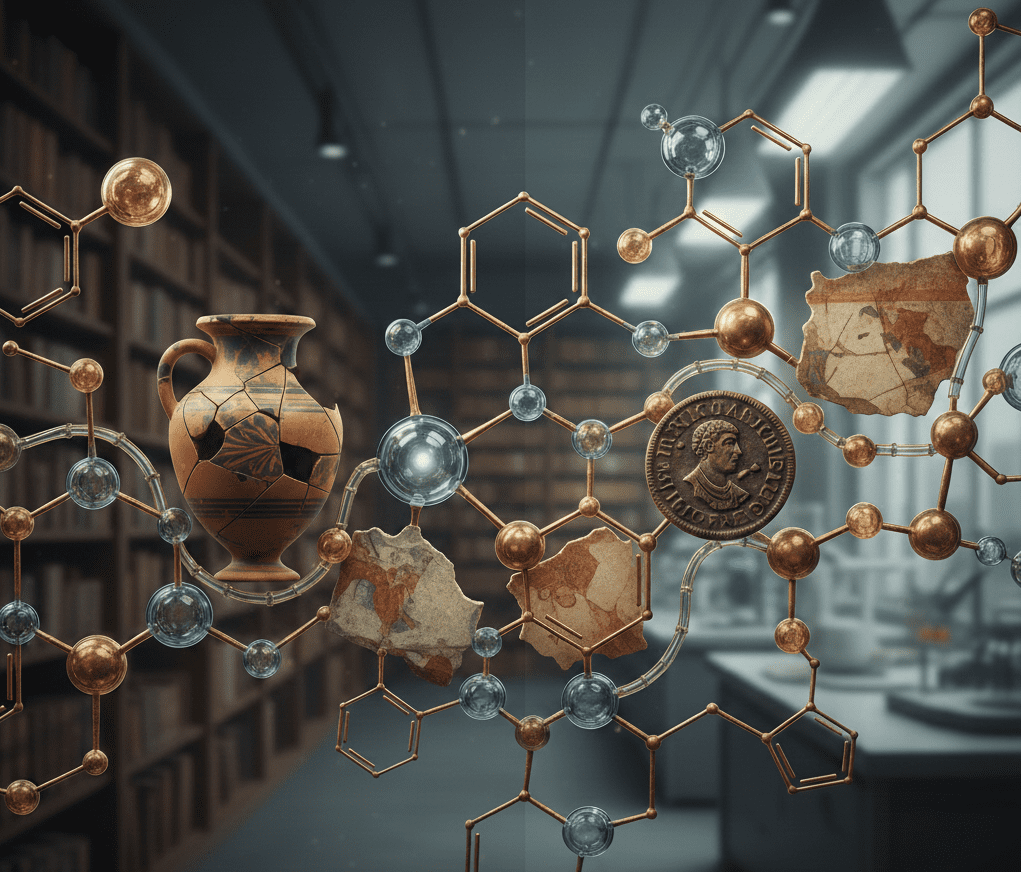
Cultural heritage faces increasing pressures from climate change, pollution, natural hazards, urban development and conflict. In response, heritage science has evolved into a dynamic, transdisciplinary field that integrates the humanities, pure sciences, materials science, and engineering with advanced digital, imaging and computational methods. By engaging with historical, societal and policy contexts, it ensures scientific advances are meaningful and actionable for heritage stakeholders. Within this framework, chemistry transforms heritage from a fragile, largely unknown entity into a monitored, mechanistically understood system, enabling preventive, minimally invasive and ethically grounded stewardship.
Cultural Mission
The Working Party on Chemistry for Cultural Heritage of EuChemS exemplifies this by connecting specialists from twenty European countries, fostering collaboration. At the national level, dedicated groups from chemical societies in Italy, Slovakia, the UK, Romania, Spain and Switzerland reflect growing institutional commitment to chemistry’s role in the conservation of cultural heritage.
Chemists provide critical insights through material characterisation, non-invasive diagnostics, and the development of sustainable conservation strategies. These advancements, grounded in experimental evidence, reveal how objects age and degrade in response to their environment. Success relies on continuous dialogue between science and heritage practice, ensuring solutions are scientifically sound and practically relevant.
This bidirectional dialogue cultivates researchers capable of applying scientific concepts to complex, real-world problems beyond the laboratory.
Their expertise impacts on diverse sectors, including the cultural and creative Industries, tourism and construction.
Digital Tools and the Heritage
The field increasingly emphasises predictive and preventive strategies. In the future, cutting-edge methods – from multimodal imaging to AI-assisted modelling – will track and forecast changes before they become critical. Digital innovations such as AR/VR/XR and the evolving digital twin concept extend these tools beyond the lab, supporting conservation, education and public engagement. Today, conservation is evidence-driven and aligned with environmental priorities, promoting greener materials and lifecycle thinking. Chemistry also aids in designing resilient strategies for vulnerable heritage, integrating ethical considerations and inclusive participation.
By linking technological innovation with cultural stewardship, chemistry does more than study the present: it anticipates future challenges, helping cultural heritage survive to enrich generations to come. In this way, chemistry preserves our collective identity and contributes to a resilient, culturally enriched society.