Three Decades Supporting Research Careers
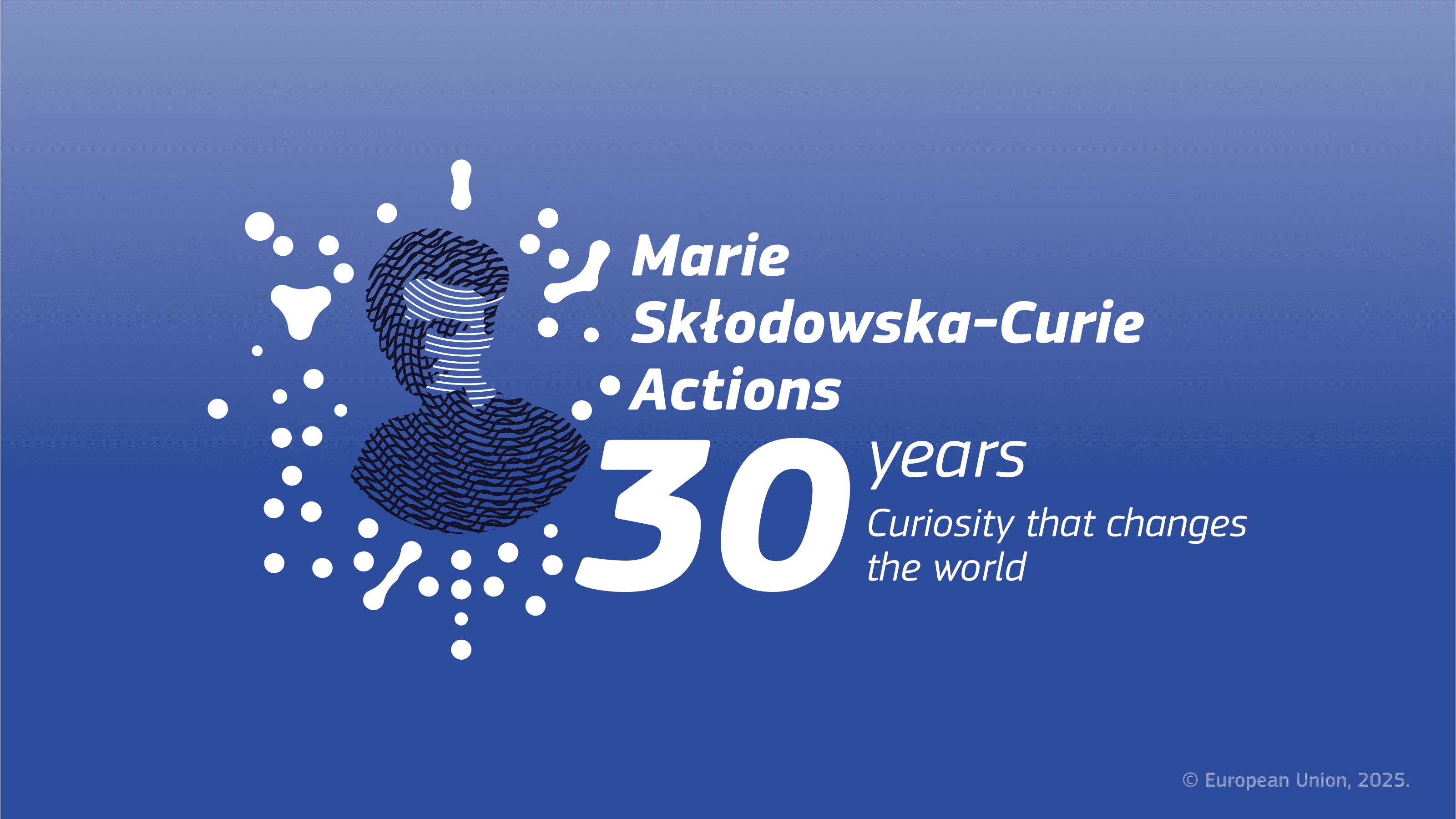
Researchers, policymakers, and innovators gathered in Brussels from 22–25 April for the Marie Curie Alumni Association (MCAA) Annual Conference 2026, which this year also celebrated the 30th anniversary of the Marie Skłodowska-Curie Actions (MSCA). Over the past three decades, the programme has become one of Europe’s flagship instruments for supporting research careers, international mobility, and interdisciplinary collaboration.
Since their launch in 1996, the MSCA have supported more than 150,000 researchers worldwide, helping to strengthen Europe’s research and innovation ecosystem through bottom-up, excellence-driven funding. The programme has played a major role in shaping attractive research careers by promoting mobility across countries, sectors, and disciplines, while also contributing to improved working conditions and skills development.
A Key Pillar of European Research Policy
Discussions during the conference underlined the continuing importance of the MSCA in the broader European Research Area (ERA). Speakers highlighted the programme as a leading example of how Europe can attract and retain talent while fostering openness, diversity, and scientific excellence. At a time of increasing global competition for researchers, maintaining strong support for mobility and researcher-driven science was identified as a strategic priority for Europe’s future competitiveness.
The anniversary celebrations also continue beyond the conference itself. On 21 May, the European Commission will host the event “MSCA at 30: Research Mobility – Bridging Gaps Across Europe”, focused particularly on young researchers and the future of research mobility in Europe.
As debates on the next EU research framework intensify, the 30th anniversary offers an opportunity to reflect on the lasting contribution of the MSCA to European science – and on their continuing role in shaping the next generation of researchers.